Building a Home in the Wild West: How Player Housing Could Define Red Dead Redemption 3
Red Dead Redemption 3's potential 2026 release could revolutionize the series by fulfilling the profound player yearning for a buildable home, transforming the iconic western epic into a deeply personal sanctuary.
In the vast, unforgiving landscapes of Rockstar's acclaimed western epics, players have long chased the dream of a place to call their own. While the saga of outlaws and morality has captivated millions, a subtle, persistent theme has woven itself through the blood and dust: the yearning for home. As the gaming world looks ahead to what might come in a potential Red Dead Redemption 3 in 2026, one of the most resonant ideas isn't about bigger gunfights or larger maps, but about the simple, profound act of building a house and the life within it. It’s a notion that, frankly, just feels right for this world.
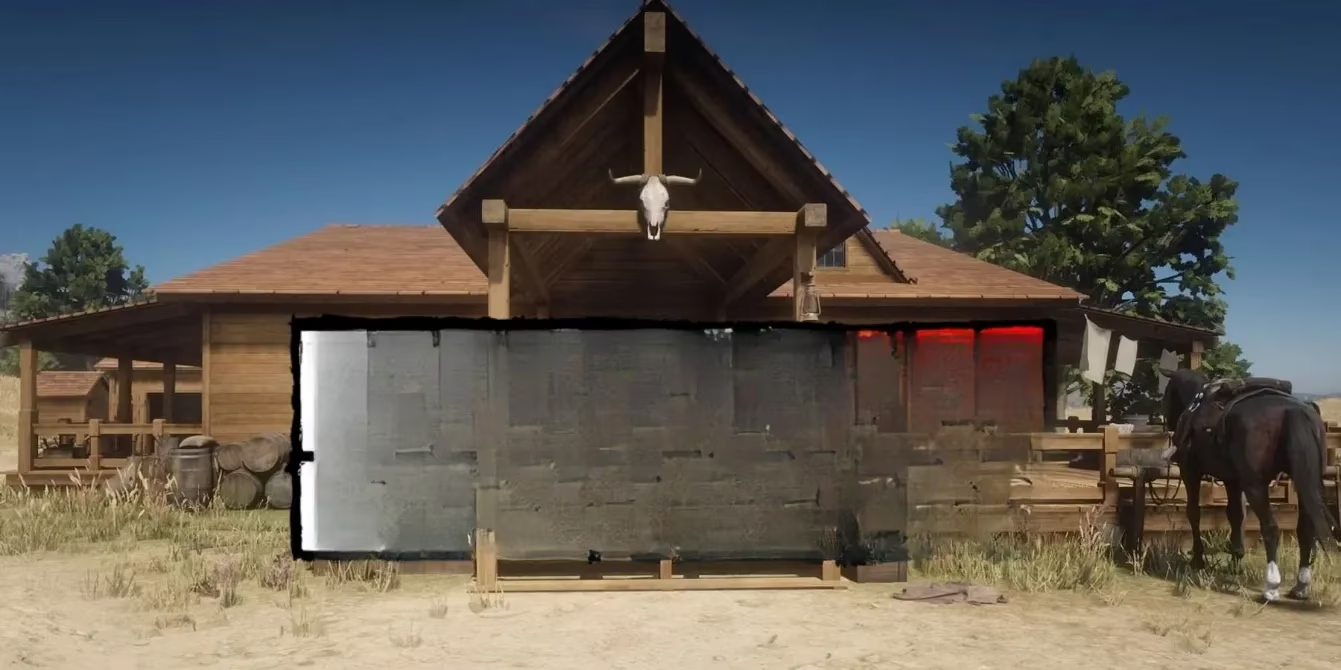
The Legacy of Beecher's Hope: More Than Four Walls
The iconic scene from Red Dead Redemption 2 where John Marston, with the help of Charles and Uncle, builds his home at Beecher's Hope stands as one of the series' most human moments. It's a quiet, powerful counterpoint to the chaos of the frontier. This wasn't just constructing a shelter; it was Marston laying the physical and emotional foundation for a normal life with Abigail and Jack. The house became the anchor for their family, making the tragic events of the original Red Dead Redemption all the more poignant. Without that home, those final moments wouldn't have hit nearly as hard—it’s the heart of the story, even when it’s not the main plot.
This theme of home is the silent engine driving the Van der Linde gang's entire saga. Dutch's promises of "one more score" for a life in Tahiti or the green pastures of the West are, at their core, promises of stability and a place to belong. The gang's relentless movement underscores a universal desire: to stop running. For the player, translating this narrative longing into a tangible, interactive experience could be the next great evolution for the series.
From Camp to Homestead: Evolving the Player's Sanctuary
Red Dead Redemption 2 introduced the camp, a mobile hub that was a mixed bag, to put it mildly. On one hand, it was brilliant for storytelling and fostering a sense of community, letting players engage in memorable conversations around the campfire. On the other hand, its mechanics felt a bit... shallow. Donating money to the box often felt like throwing cash into a void, with little tangible reward. It was more for role-playing flavor than meaningful gameplay.
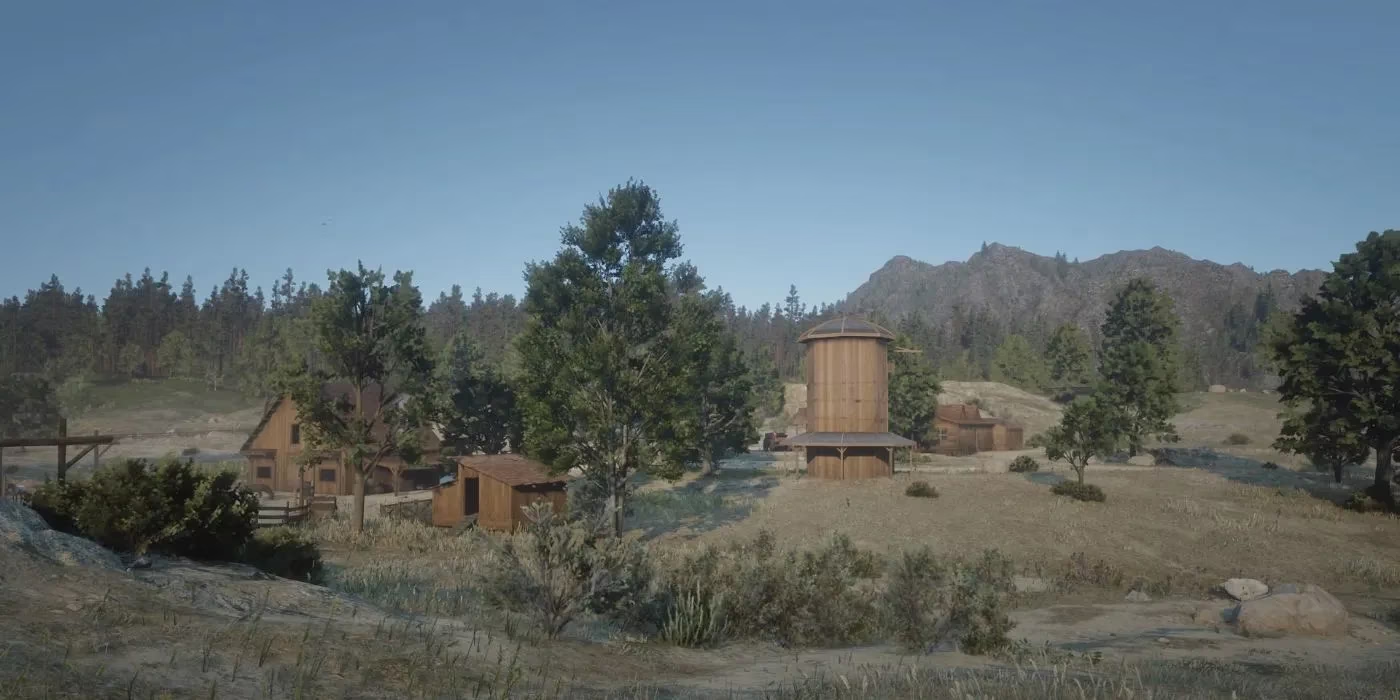
A dedicated, buildable home in a hypothetical Red Dead Redemption 3 could solve this by offering deeper, more personal engagement. Imagine a system where players:
-
Gather Resources: Logs from forests, stone from quarries, and special items found in the world.
-
Choose a Location: A secluded spot in the Grizzlies, a plot by a river, or a clearing in the heart of the plains.
-
Customize the Build: Decide on the layout, add a porch, a barn for your horse, or even a small garden.
This goes beyond simple construction. The real magic would be in maintenance and consequence. The wild west is a harsh mistress, after all.
| Gameplay Aspect | Potential Player Task | Impact & Reward |
|---|---|---|
| Structural Integrity | Repair storm-damaged roofs or reinforce walls. | Prevents deterioration; family stays safe & happy. |
| Resource Management | Chop firewood for warmth; hunt/grow food for the larder. | Maintains health bonuses; creates a self-sufficient cycle. |
| Security | Fortify fences; set traps for predators or rival gangs. | Defends against random events; protects stored valuables. |
| Aesthetics & Comfort | Craft furniture; purchase decorations; landscape the yard. | Boosts "home comfort" meter; unlocks unique dialogue with family/NPCs. |
The Narrative and Emotional Payoff
Why bother with all this hammering and planting in a game about outlaws? The payoff is in the tone and the story. The Red Dead world is masterful at portraying a lawless, unpredictable frontier. Having a home acts as the ultimate sanctuary from that chaos—a place to literally and figuratively "shut the door" on the outside world. It creates a powerful dynamic:
-
A Reason to Return: In an expansive open world, a home provides a compelling anchor point, a source of familiar comfort.
-
Stakes in the Ground: If the player's family or hard-earned possessions are tied to the homestead, threats to it carry immense emotional weight. Defending your home from a rival gang would feel fundamentally different than a random skirmish on the trail.
-
A Measure of a Life: The state of the home could visually reflect the player's choices and the passage of time. A well-kept homestead suggests a turn towards stability, while a neglected one might mirror a descent into chaos.
A Fresh Path for a Legendary Series
While the camp system served an ensemble cast, a Red Dead Redemption 3 that returns to a more character-focused story (like the first game) would be perfectly suited for a deep homestead mechanic. It shifts the focus from managing a gang to cultivating a legacy. This isn't about replacing the series' core tenets of exploration, combat, and moral ambiguity, but enriching them with a layer of personal investment and quiet accomplishment.
In the end, the call of the wild west has always been a duality: the thrill of the unknown and the peace of a hearth. Letting players build that hearth themselves, nail by nail, could be the fresh yet perfectly fitting addition that elevates the experience. After all, in a world where everything can be taken from you, what's more valuable than something you built with your own two hands? The potential is just sitting there, waiting for someone to pick up the hammer.