Hideo Kojima's Black Myth: Wukong Praise Still Resonates in 2026
Hideo Kojima praises Black Myth: Wukong, whose striking style and Journey to the West roots fueled global hype before its epic release.
When Hideo Kojima reacts to a game trailer, the industry pays attention. That was certainly true in June 2024, when Summer Game Fest host Geoff Keighley rolled the tape on Black Myth: Wukong and the Metal Gear designer immediately took to X to share his enthusiasm. Kojima was not offering a formal review or a promotional endorsement. He was simply acting like an excited player—and that is precisely why his comments carried weight. Why does one auteur’s enthusiasm matter so much? Because in a crowded market, a signal from a creator known for obsessive style and world-building can cut through the noise.
A Trailer That Cut Through the Noise
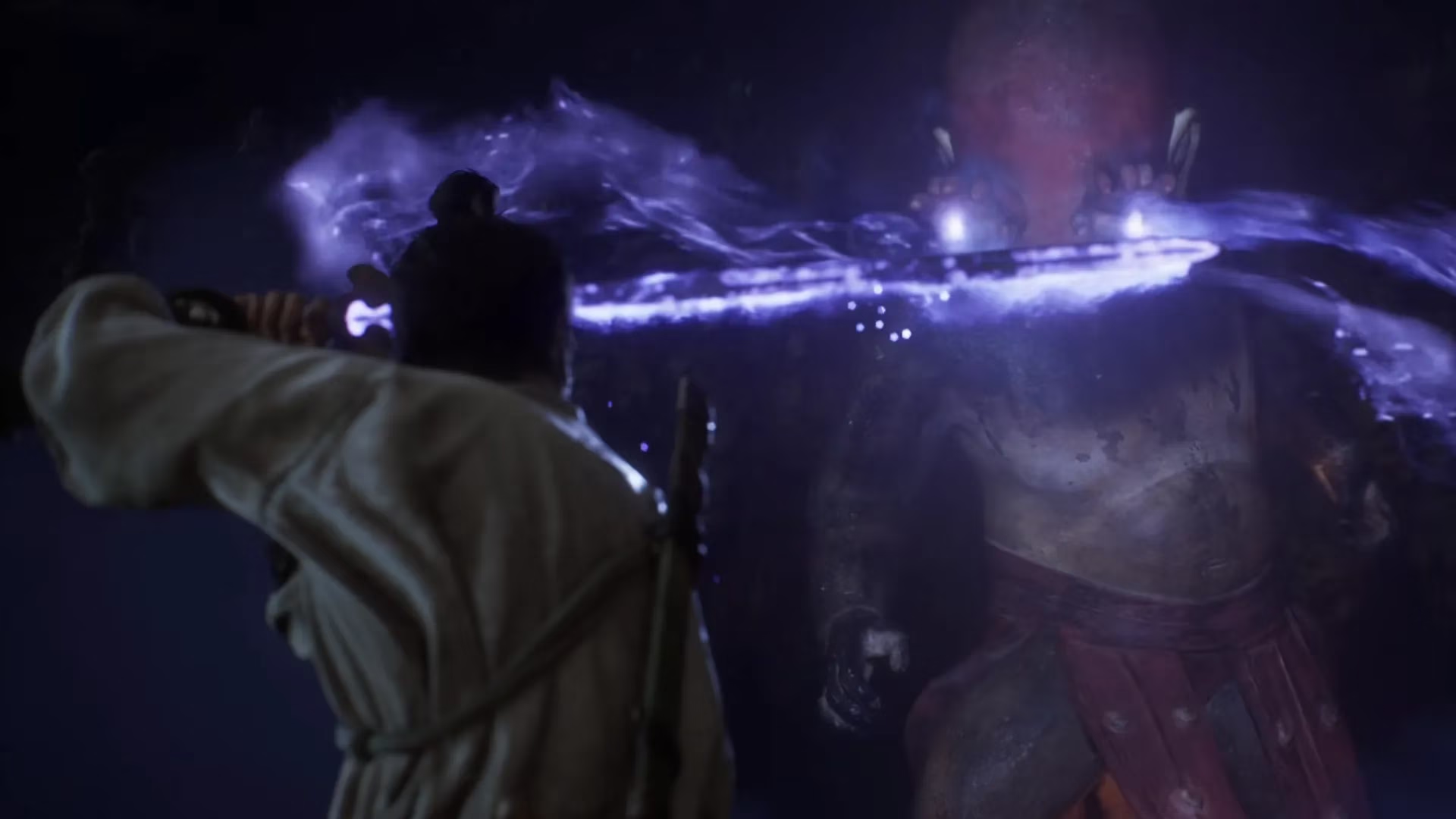
Kojima wrote on June 8 that the title had been on his mind since he saw the first trailer about three years earlier. His praise focused on presentation rather than genre: “Its original look, design, coloring, effects, and presentation have an outstanding sense of style that sets it apart from other games.” For a designer whose own work is defined by distinctive visual language, that was not casual praise. It was an acknowledgment of artistic identity.
The cinematic trailer shown at Summer Game Fest presented a detailed, clay-gray world of muddy puddles and fiery, Final Fantasy-style bosses. Its ethereal environment was not mere decoration. Black Myth: Wukong is a devoted adaptation of the 16th-century novel Journey to the West, centering on the enlightened but unruly Sun Wukong—the Monkey King—in all his magical, monkey-shaped glory. The game’s Steam description invited players to set out as the Destined One, venture into challenges and marvels, and uncover the obscured truth beneath a glorious legend from the past. At the time, it was the most wishlisted game on Steam, a fact that underlined how effectively Game Science had built anticipation.
Kojima also noted that the theme of the Monkey King was familiar to his generation. “I’m looking forward to it,” he added. The remark was brief, but it connected a Chinese literary classic to a global audience and highlighted how cultural familiarity can travel across borders when a game’s presentation is strong enough.
From Wishlist Leader to Released Epic
Chinese indie developer Game Science initially announced the action-RPG in 2020 and planned a 2023 release, but that window did not hold. Kojima’s post captured the mood of many observers when he wrote, “Finally, its release has been confirmed.” Black Myth: Wukong launched on PC and PS5 on August 20, 2024. The Xbox version, which Game Science said would be disclosed at a later time, eventually arrived in August 2025. By 2026, the conversation has shifted: Wukong is no longer an upcoming curiosity but a released title with a place in the cultural record. Its $400 collector’s edition also became a talking point for fans who wanted a premium physical artifact.
| Element | Kojima’s take | Why it resonated |
|---|---|---|
| Visual style | Praised its original look, design, coloring, and effects | Signaled that the game had a clear artistic identity |
| Presentation | Called its style outstanding and distinct | Positioned it apart from conventional action-RPGs |
| Cultural theme | Noted the Monkey King’s familiarity to his generation | Bridged a classic Chinese story and a global audience |
| Release timing | Welcomed the confirmed launch | Reflected broader anticipation after years of waiting |
Why Kojima’s Endorsement Mattered
Kojima’s post was not a review score, but it functioned as a peer signal. In an industry where trailers often blur together, a designer with a reputation for auteur-level craft singled out Black Myth: Wukong for the very qualities that are hardest to fake: style, color, effects, and presentation. Can a single social media post change a game’s fortunes? Probably not on its own. But it can reinforce a narrative—especially when it comes from someone who understands the difficulty of building a coherent visual world.
The timing also mattered. Black Myth: Wukong had spent years in the spotlight, from its 2020 announcement to its delayed release. Kojima’s comments arrived when the game needed to convert long-running curiosity into confidence. His praise did not create the game’s audience, but it gave that audience another reason to believe that the project’s ambition was backed by execution.
The Monkey King in 2026
By 2026, Game Science’s mythological ambitions have expanded. The studio’s next project, Black Myth: Zhong Kui, has drawn attention with a new 15-minute gameplay reveal that left fans in awe of its graphical fidelity. That reception inevitably reflects back on Wukong. The first game proved that a Chinese developer could deliver a globally visible action-RPG with a strong cultural core. The second is being watched with the assumption that Game Science can push further.
Kojima’s 2024 comments therefore read differently now. They are no longer just a reaction to a promising trailer. They are part of the early record of a game that moved from wishlist leader to released epic, and from a single adaptation of Journey to the West to a broader Black Myth identity. The Monkey King may be an ancient figure, but in 2026 his digital afterlife is still unfolding—and even one of gaming’s most distinctive designers saw the style coming.