Ranking Red Dead Redemption 2's States: A Guide to the Best and Worst Regions
Explore the immersive states of Red Dead Redemption 2's open world, from the barren nostalgia of New Austin to the breathtaking but limited wilderness of Ambarino, as we rank their compelling gameplay and narrative value.
In 2026, Red Dead Redemption 2 remains a benchmark for open-world design, and its fictionalized American frontier is divided into five distinct states, each contributing uniquely to the game's immersive atmosphere. 🗺️ While every region offers its own visual charm and moments of discovery, they are not created equal in terms of density, narrative weight, and sheer gameplay value. From the sun-baked deserts to the snow-capped peaks, the journey through these lands is a core part of the experience, but some states simply offer more reasons to linger than others. This analysis ranks these iconic regions from the least to the most compelling, considering their scenic beauty, available activities, and significance to the unforgettable story of Arthur Morgan and the Van der Linde gang.
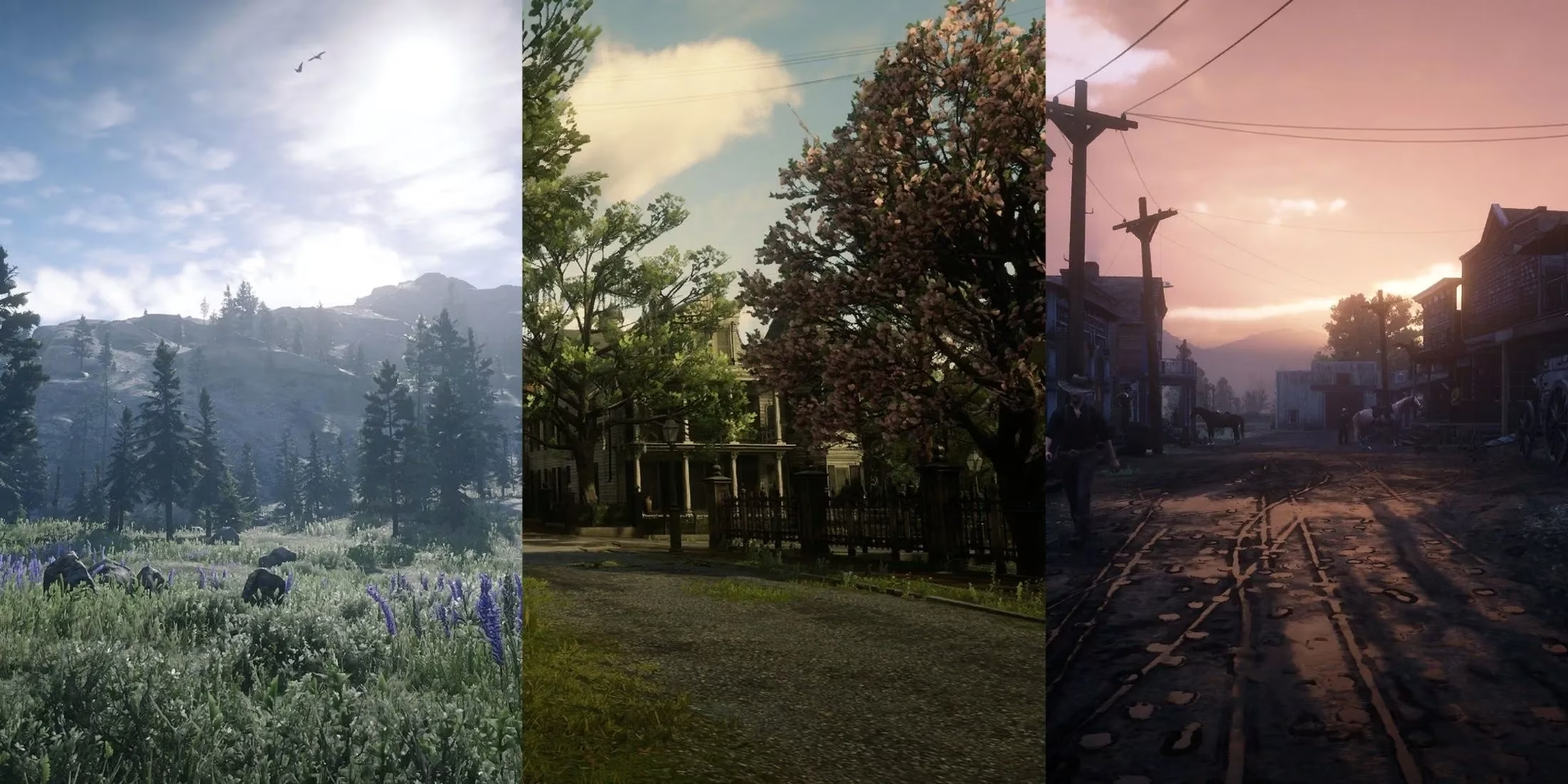
5. New Austin: A Barren, Nostalgic Afterthought
Ranking: Worst
New Austin claims the unfortunate bottom spot on this list. Its primary issue is one of accessibility and relevance. Players cannot freely explore this vast, arid state until after completing the main story's final mission and beginning the epilogue as John Marston. By 2026, this design choice still feels like a missed opportunity, locking a significant chunk of the map away from the core narrative experience.
What players find there is a beautifully rendered but largely empty homage to the first Red Dead Redemption. Towns like Tumbleweed and the plague-ridden Armadillo perfectly capture a decaying Wild West aesthetic. However, the content is sparse. Beyond a few gang hideouts and ambient encounters, there's little structured to do. It serves as a poignant trip down memory lane for series veterans but lacks the dynamic events, stranger missions, and camp life that flesh out other regions. For Arthur Morgan's journey, it's a non-factor, making it feel more like a bonus post-game area than a fully integrated part of the world.
Key Features of New Austin:
-
Access: Epilogue-only for John Marston.
-
Atmosphere: Desolate, classic Western frontier.
-
Main Draw: Nostalgia and completionist hunting.
-
Biggest Flaw: Severely lacking in meaningful content and narrative ties.
4. Ambarino: A Beautiful, Empty Wilderness
Ranking: Limited but Stunning
Ambarino shares a similar problem with New Austin, though for different reasons. It is arguably the most visually stunning region in the entire game. The snow-capped peaks of Mount Hagen, the serene flow of the Dakota River, and the dramatic contrast between icy slopes and lush valleys create a vibrant, breathtaking ambiance. 🏔️
Yet, its beauty is mostly superficial in terms of gameplay. There are no major towns or settlements, only a handful of remote cabins and the iconic Wapiti Indian Reservation. Its involvement in the main story is minimal, and it lacks the density of random encounters and side activities found elsewhere. Players primarily visit Ambarino for specific missions, to hunt Legendary Animals like the Bharati Grizzly Bear, or simply for the sake of sightseeing and photography. It's a place for quiet, often tense exploration, but not for those seeking a bustling, interactive world.
Why Ambarino Ranks Low:
-
Minimal Story Impact: The Wapiti story thread is brief.
-
Sparse Population: No towns or social hubs.
-
Primary Activities: Hunting, fishing, and landscape appreciation.
3. Lemoyne: The Dense, Atmospheric Heart of Darkness
Ranking: High on Atmosphere and Story
Lemoyne is a fascinating contradiction: it's the smallest state but feels incredibly dense and alive. It is defined by its stark cultural and environmental divide. The southern bayous around Saint Denis are a humid, threatening maze of swamps, haunted by alligators and the terrifying, silent Night Folk. Exploring areas like Lagras or Bayou Nwa at night is an unparalleled exercise in atmospheric horror within the game. 😰
Conversely, the northern area around Rhodes presents a classic, if tense, Southern Gothic vibe with its plantations and feuding families. Lemoyne is also the narrative epicenter for the gang's downfall. It is here that the story reaches its turning point:
-
Arthur Morgan receives his devastating diagnosis.
-
The gang suffers the pivotal losses of Hosea, Lenny, and Sean.
-
The botched bank robbery in Saint Denis leads to the chaotic retreat to Guarma.
Saint Denis itself, a sprawling stand-in for New Orleans, represents the relentless march of industrialization and modernity that is suffocating the gang's way of life. Lemoyne is packed with content, from side missions and unique encounters to main story missions, making it unforgettable, albeit often grim.
2. West Elizabeth: The Perfect Blend of Old and New
Ranking: Excellent and Versatile
West Elizabeth excels by masterfully blending the game's core themes into one cohesive region. It showcases the frontier's natural beauty in areas like the flower-filled Big Valley, the dense forests of Tall Trees, and the open Great Plains. Simultaneously, it presents the rapid growth of civilization in the form of Blackwater—a modernizing town that serves as the catalyst for the entire story.
This state is a gameplay powerhouse:
-
Hunting Paradise: Hosts a wide variety of animal species across its diverse biomes.
-
Rich Content: Features numerous stranger missions, challenges, and points of interest.
-
Narrative Anchor: The failed ferry heist in Blackwater is the inciting incident that forces the gang into exile.
After the prologue, much of West Elizabeth is locked off due to high bounty, making the player's eventual return in the epilogue as John Marston feel like a triumphant homecoming. It represents the seamless and often painful blend of the "old world" and the "new age," offering both pristine wilderness and growing settlements.
West Elizabeth's Highlights Table:
| Area | Biome | Key Features |
|---|---|---|
| Big Valley | Flowering meadows, rivers | Pronghorn, ideal hunting, peaceful scenery |
| Tall Trees | Dense forest, mountains | Grizzlies, cougars, former Skinner Brothers territory |
| Great Plains | Open grassland | Bison herds, close to Blackwater |
| Blackwater | Urban settlement | Modern architecture, shops, story significance |
1. New Hanover: The Crown Jewel of the Frontier
Ranking: The Best
New Hanover stands as the quintessential Red Dead Redemption 2 experience and the undisputed best state in the game. It is the largest and most recognizable region, serving as the player's primary home for the game's lengthy second chapter. Its sheer size and variety are staggering, designed to satisfy every exploration itch.
From the iconic, rolling hills of The Heartlands—where Horseshoe Overlook camp is located—to the pastoral charm of Emerald Ranch and the eerie, forested cliffs of Roanoke Ridge, New Hanover is always brimming with life and activity. It is the state most deeply connected to the gang's daily life and the early promises of their "one more score" dreams.
Why New Hanover is #1:
-
Narrative Heart: It hosts the camp at Horseshoe Overlook, the peak of gang morale, and critical early story missions that define character relationships.
-
Unmatched Variety: Contains grasslands, mountains, forests, rivers, and industrial mining towns like Annesburg.
-
Content Density: Packed with stranger missions (like the Veteran, the Widow of Willard's Rest), random encounters, challenges, and hidden secrets.
-
Perfect Pacing: It introduces the player to the world's rhythms—hunting, fishing, robbing, and helping—in a balanced and engaging way.
New Hanover is the peak of Rockstar's world design. It doesn't just serve as a backdrop; it feels like a living, breathing character in the story. It fulfills every promise of an open-world Western: freedom, beauty, danger, and narrative depth, making it the essential Red Dead Redemption 2 state that every player remembers most fondly. By 2026, it remains a high-water mark for virtual landscapes, a region that truly feels like home before the long, painful ride into the sunset. 🤠